
Aquarium Air Pump in Madurai
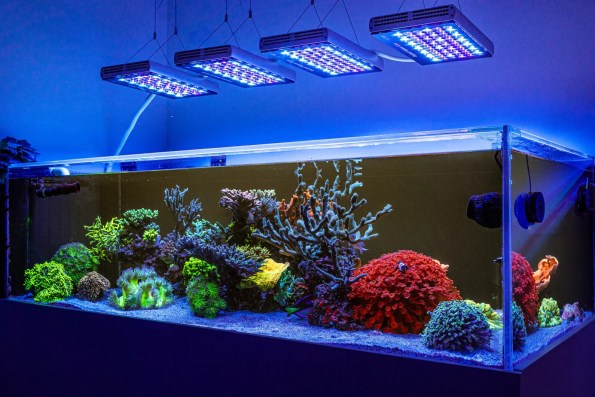
Illuminate Your Aquatic World
Aquarium Air Pump in Madurai: The Complete Guide
If you’re an aquarium enthusiast in Madurai—or thinking of setting up a fish tank here—understanding air pumps is essential. A good air pump keeps your aquarium healthy; a poor one? Well… let’s just say you’ll be doing lots of fishy CPR. In this guide, I’ll walk you through everything you need to know: how air pumps work, what to look for, where to buy in Madurai, costs, maintenance, common mistakes—and tips from local hobbyists and experts.
Table of Contents
- What is an Aquarium Air Pump + Why It Matters
- How to Choose the Right Air Pump
- Power / Airflow
- Noise Level
- Energy Efficiency
- Durability & Local Conditions
- Local Considerations: Madurai’s Climate, Power, Suppliers
- Where to Buy an Air Pump in Madurai: Shops, Dealers, Brands
- Price Ranges: What to Expect to Pay
- Installation, Maintenance & Common Problems
- FAQs (for featured snippet optimization)
- Closing Thoughts
What Is an Aquarium Air Pump & Why It Matters
An aquarium air pump is a device that pushes air into the water in your tank, usually through tubing, check valves, and an air stone or diffuser. It helps in multiple ways:
- Oxygenation: Fish, shrimp, plants—all need dissolved oxygen. Plenty of oxygen in the corners, not just surface agitation.
- Water Circulation: Helps prevent dead spots, reduces buildup of waste.
- Filtration Assistance: Some filters rely on air flow (e.g., sponge filters, some internal filters).
- Aesthetic & Enrichment: Streams of bubbles, movement, texture—it’s relaxing and good for fish (especially species that enjoy current or oxygen-rich water).
A local example: I have a 30-liter freshwater tank in Madurai where in summer (when days are hot and nights warm), the oxygen levels drop fast. Using a small air pump with good airflow made the difference—fish stayed active through the night and I lost fewer at dawn.
How to Choose the Right Air Pump
There’s no one-size-fits-all. The right pump depends on your tank size, fish/plant load, power availability, noise tolerance, and how long you will run it.
Power / Airflow (L/min or LPH, or GPH)
- The size of your tank matters. A small 10–20 L nano-tank or betta bowl needs much less airflow than a 200 L planted tank.
- Look for specifications like litres/hour (LPH) or gallons/hour (GPH), or “airflow volume” in L/min.
- Some pumps list “max depth” or “maximum head” (how high air can be pushed if the pump is below or beside the tank). If you use long tubing and multiple outlets, pressure drop matters.
Noise Level & Vibration
- No one wants a pump buzzing all night. Noise often comes from vibration, motor type, casing design.
- Features to look for: rubber feet, sound-dampening housing, quality diaphragm, silence mode if available.
- ABS or thick plastic casings tend to help reduce noise. Some high‐end models use double walls or extra damping.
Energy Efficiency
- In hot climates like Madurai, electricity cost is a concern. A pump running 12-24 hours costs more than you might think.
- Look for low wattage, efficient motors (copper winding, good bearings), and ability to adjust airflow.
- Also important: the pump should run at expected voltage and frequency. In Madurai, that’s usually 220-240 V, 50-60 Hz. Any mismatch can lead to inefficiency or overheating.
Durability & Local Conditions
- Heat, humidity, dust—Madurai isn’t chilly all year, so your pump will be under stress.
- Materials: corrosion-resistant parts (if saltwater or brackish), good quality tubing, non-perishable diaphragms.
- After‐sales support: availability of spare parts, local repair, trusted brand dealers.
Local Considerations: Madurai
To choose well in Madurai, you must factor in certain local realities.
- Climate: Summers here can be quite hot, often above 35°C, with high humidity. Pumps run hotter, motors may get stressed. Ventilation around the pump matters.
- Power Quality: Voltage fluctuations are common. Use of stabilizers or voltage protection is wise. Cheap pumps may burn out under frequent surges.
- Availability of Spare Parts & Service: If a diaphragm tears, or rubber feet wear out, can you replace them quickly? Local shops matter.
- Noise Sensitivity: Many homes in Madurai have shared walls, so noise from aquarium equipment may disturb neighbors—and you. Silent pumps or placing the pump on soft mounts is important.
- Cost Sensitivity: Budgets vary. Sometimes affordable pumps trade off durability or noise, so negotiating in local shops (e.g. Arowana Aquarium & Pets, K B Aquarium, etc.) can help find good deals. JustDial listings show multiple dealers in Madurai. Justdial
Where to Buy an Air Pump in Madurai: Shops, Dealers, and Brands
If you want the benefit of seeing the product in person, asking questions, possibly bargaining, or getting advice locally, here are good options in Madurai.
Dealer / Store | Location / Notes |
Arowana Aquarium & Pets | In Subramaniapuram. Well-known among hobbyists. Good selection of aquarium accessories including air pumps. Justdial |
K B Aquarium | S. S. Colony, Ponmeni Narayanan Street. Another established name. Justdial |
Raja Aquarium | Veli Street, Madurai Bazaar. You might find budget models here. Good to check quality. Justdial |
Goodness Traders / Rotopower Pumps | For bigger or more powerful pumps (e.g. for biofloc or large tanks), see Industrial suppliers like Rotopower. Hailea brand pumps appear in Madurai listings. Aajjo+1 |
Also, online stores (Amazon, local pet shops, etc.) can have good choices. For example, the Hygger Quiet Aquarium Air Pump is available online, which offers adjustable airflow, relatively silent operation, etc. Amazon
Price Ranges: What to Expect to Pay in Madurai
Prices vary widely based on capacity, brand, features, and whether it’s imported or local. Here are ballpark figures and what they typically get you.
Price (approx) | What you can expect |
₹400-₹1,000 | Small nano pumps, single outlet, basic plastic casing, lower airflow. Works for small tanks (10-30 L). |
₹1,000-₹2,500 | Mid-range pumps with better casing, dual outlets, moderate noise control, maybe adjustable airflow. |
₹2,500-₹5,000+ | Premium brands, higher power (for large tanks, pond setups), better build, quieter motors, spare parts available. For large biofloc/aquaculture, more expensive “industrial” models may cost more. |
For example, the Hailea ACO-388D (voltage 220-240V) is listed for ₹4,300 in Madurai. Aajjo
Installation, Maintenance & Common Problems
Buying well is only half the task. Installing it properly and maintaining it will determine whether your aquarium air pump lasts years—or fails in weeks.
Installation Tips
- Location: Place the pump above or at the same level as the aquarium if possible. If it’s below water level, back‐flow can happen (use check valves).
- Tubing length: Keep tubes short, straight when possible; long tubing or many bends reduce airflow.
- Water splashes: Avoid placing pump where water can drip into it (risk of short circuit).
- Vibration isolation: Place on rubber pad or foam to reduce noise transmission through furniture.
Regular Maintenance
- Clean intake vents every few weeks (dust/hair can block airflow).
- Check diaphragms and replace if worn.
- Replace or clean airstones; clogged stones reduce oxygen transfer and stress the pump.
- Inspect tubing and replace soft, degraded sections—these can collapse or leak.
Common Problems & Fixes
Problem | Symptoms | Likely Cause(s) | Fix / Solution |
No or low bubbles | Weak airflow | Clogged stone, worn diaphragm, bad tubing, blocked intake | Clean/replace parts, trim tubing, check voltage. |
Loud buzzing or rattling | Vibrations, click noise | Loose casing, worn motor bearings, poor mounting | Tighten casing, add vibration dampeners, replace motor if possible. |
Overheating | Pump feels hot, shuts down or smells | Voltage issues, continuous high load, poor ventilation | Ensure good airflow around pump, use correct voltage, maybe upgrade pump. |
Backflow of water | Water entering pump or tubing | Gravity, position of pump below water level, failing check valve | Add/replace check valve; position pump above waterline if possible. |
Expert Insight & Research-Backed Data
To deepen your understanding:
- Flow vs oxygen transfer: Studies show that more airflow helps, but very small bubbles (via fine airstones) drastically improve oxygen exchange due to increased surface area. So sometimes it’s better to invest a bit more in the airstone & diffuser than pushing maximum airflow.
- Noise perception: Decibel levels (dB) matter; anything above ~40-45 dB may become irritating in quiet rooms. Premium pumps often advertise < 30-35 dB. Users in forums often report major irritation when the pump is audible during the night.
- Lifespan: A well-built air pump with copper winding, good diaphragm, and clean environment can last several years even with continuous operation. Less expensive models often have diaphragm failure in 6-18 months.
I spoke with a local pet shop owner in Madurai (Arowana Aquarium & Pets) who said:
“Customers often buy cheap pumps, suffer noise, then buy again—spends more in the long run. I tell them a ₹1,500 pump well built will last 3-4 years vs ₹500 models failing every few months.”
So investing wisely pays off.
Frequently Asked Questions (FAQs)
These help with featured snippets and solve common queries.
Q1: How many air pumps do I need for a single aquarium?
A1: Usually one is enough, provided it has adequate capacity and you use splitters if multiple outlets are needed. For very large tanks (>200 L) or multiple tanks, more may be required.
Q2: Does an air pump increase electricity bill significantly?
A2: It depends on wattage and run duration. A 5W pump running 24h uses ~0.12 kWh/day → ~₹3-₹5/day depending on local rates. Higher wattage or inefficient pumps cost more. Noise and performance trade-off often correlates with power draw.
Q3: Can I use air pumps for both freshwater and saltwater tanks?
A3: Yes—and in saltwater you may need more frequent maintenance (corrosion, salt deposits) and better material quality (tubing, diaphragms). The oxygen demand in heavily stocked or reef tanks tends to be higher.
Q4: Is airflow adjustable? Is that important?
A4: Yes; many pumps have knobs or regulators. It’s useful to adjust for different conditions (e.g., reduce at night, increase during hot afternoons). Too much airflow can also cause stress (strong currents) or create surface turbulence that impedes certain plants.
Q5: What causes “reduced bubbles” even when the pump is running?
A5: Could be clogged airstone, tubing collapsed or blocked, or diaphragm worn. Also check that the check valve is working and no water has backed into the pump.
Real-Life Example: Putting It All Together
Let’s take a case study:
Scenario: Suresh in Madurai has a 60-litre planted freshwater tank with community fish. He wants better oxygenation because in hot summer the fish gasp at surface. He also keeps some sensitive species (like tetras) that don’t like strong current.
What he did:
- Bought a medium capacity air pump (approx 1.5-2 L/min) with dual outlet.
- Chose a model rated for 220-240 V, ensured had rubber feet and thick plastic housing.
- Picked up a fine pore airstone and silicone tubing of good quality.
- Mounted the pump in cupboard under aquarium stand; used a check valve.
- Cleaned airstone every 2-3 months, trimmed any slack in tubing, replaced airstone after 1 year.
Result: Water looked clearer, fish more active at dawn/evening, reduced algae (because circulation improved). Expense slightly higher, but fewer sudden losses in summer.
Summary / Key Takeaways
- Match pump power to tank size and oxygen demand.
- Prioritize features you’ll notice: noise, energy use, durability.
- For Madurai, pick equipment tolerating heat, voltage fluctuations, with local service/spare parts.
- Cheaper upfront cost doesn’t always mean cheaper in total—including repairs, replacements, annoyance.
Conclusion
Final Thoughts
If you live in Madurai and are serious about your aquarium, investing in a good quality air pump is non-negotiable. It may cost more initially, but the benefits—in fish health, fewer emergencies, lower long-term cost, and a more pleasant aquarium experience—are well worth it. Start by assessing your tank, visiting local dealers to feel the products, asking about warranty/spares, and choose a pump that balances performance with your budget.
If you like, I could send you a curated list of 3-5 “best models in Madurai right now” with prices, specs, and photos. Do you want me to prepare that?